


Send Message
Privacy statement: Your privacy is very important to Us. Our company promises not to disclose your personal information to any external company with out your explicit permission.
 Zhengzhou Bridge Biochem Co.,Ltd.
Select Language
English
Soya lecithin is a natural phospholipid complex derived from soybeans, widely recognized as a high-performance feed additive for livestock and aquaculture. It serves as an emulsifier, fat source, and functional nutrient that enhances feed stability and digestibility.
For animal nutrition specialists, soya lecithin offers more than just fat replacement. It contains essential phospholipids like phosphatidylcholine (PC), which support liver health, improve fat metabolism, and boost immunity. When incorporated into feed formulations, it reduces dust, improves pellet durability, and ensures uniform nutrient distribution across batches.
Key Benefit: By using soya lecithin in animal feed, you reduce feed waste, improve growth rates, and lower your overall cost per kilogram of gain while ensuring consistent batch quality.
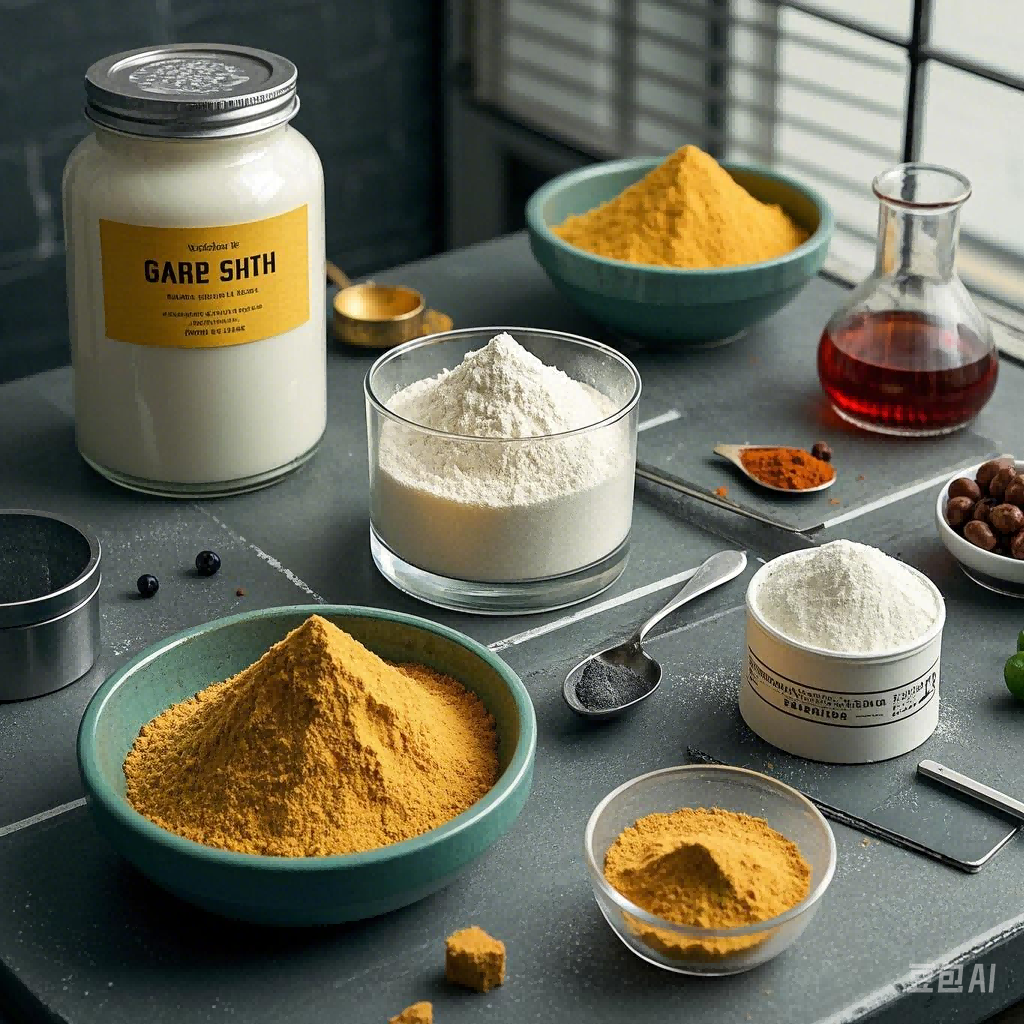
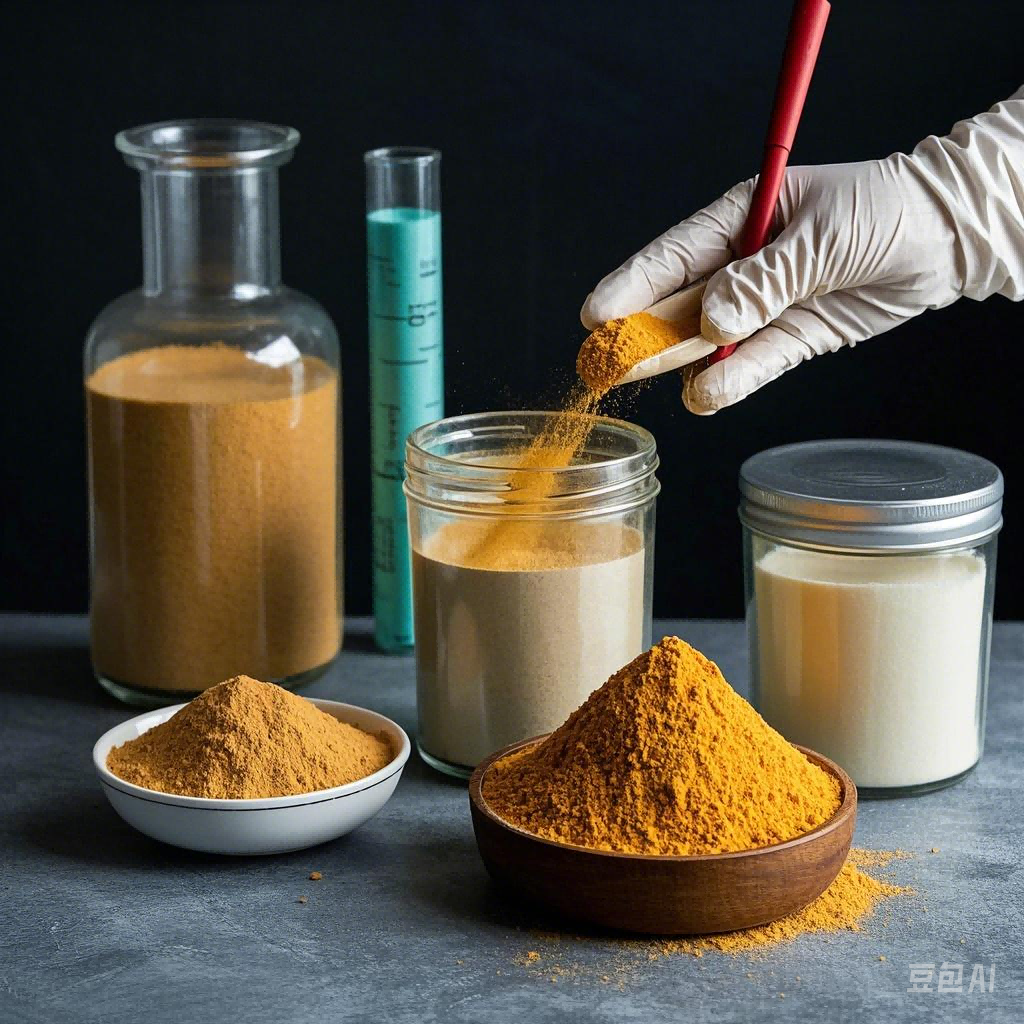
Zhengzhou Bridge Biochem Co., Ltd. controls the entire manufacturing process for its lecithin products, ensuring ISO 9001-standard quality from raw material sourcing to final packaging. Our in-house production eliminates third-party variability, giving buyers consistent phospholipid content and moisture levels across every shipment.
Our soya lecithin meets rigorous international standards including ISO 22000 food safety management and Argentine Certificate of Free Sale, enabling global market access without compliance delays.
Every production lot undergoes strict testing for phosphatidylcholine content, fatty acid profile, and impurity levels. This consistency reduces your quality control risks and simplifies supplier audits.
Selecting the right soya lecithin supplier requires evaluating production capabilities, certification validity, and supply chain reliability. Buyers should prioritize manufacturers who offer full transparency in their quality processes and demonstrate proven export experience.
Choose suppliers with their own factories rather than trading companies. In-house production ensures consistent phospholipid content, faster response times, and direct quality accountability.
Look for ISO 22000, HACCP, or regional free sale certificates. These certifications confirm that your soya lecithin supplier meets international food and feed safety requirements.
Suppliers with 15+ years of export experience understand documentation, logistics, and regulatory requirements across Asia, America, Europe, and Oceania markets.
Use this checklist to evaluate potential soya lecithin suppliers before committing to long-term contracts. Each criterion directly impacts your landed cost, product quality, and operational efficiency.
When sourcing soya lecithin for animal feed or organic fertilizer production, partnering with an established manufacturer like Zhengzhou Bridge Biochem Co., Ltd. provides significant advantages in quality consistency, pricing stability, and technical support.
Bridge Biochem operates a 33,000 square meter facility with over 100 employees, managing everything from raw material processing to final packaging. This vertical integration reduces costs and ensures traceability.
With exports to over 50 countries and partnerships with industry leaders like JAPFA, De Heus, and Cargill, Bridge Biochem demonstrates the reliability and scale needed for large-volume procurement.
Custom formulations, private-label production, and flexible packaging options allow buyers to tailor soya lecithin specifications to their exact application needs, whether for poultry feed or liquid fertilizers.
Procuring soya lecithin internationally presents several challenges that can impact your production efficiency and profitability. Understanding these common issues helps you mitigate risks and select the right supplier.
Many suppliers fail to maintain stable PC levels across batches, leading to unpredictable emulsification performance in feed pellets. This inconsistency forces buyers to adjust formulations frequently, increasing labor costs and reducing output quality.
Poor storage conditions during transit can cause soya lecithin to absorb moisture, resulting in clumping, microbial growth, and reduced shelf life. Proper packaging and humidity-controlled logistics are essential for maintaining product integrity.
Incomplete or incorrect certificates of analysis, origin documents, and phytosanitary certificates can delay customs clearance, especially for imports into regulated markets like the EU or North America. Experienced suppliers streamline this process.
Soybean prices fluctuate based on seasonal harvests and geopolitical factors. Trading companies often pass these volatility costs to buyers. Manufacturers with long-term raw material contracts and large-scale operations offer more stable pricing.
For optimal emulsification and nutritional benefits in animal feed, soya lecithin should contain at least 45-50% total phospholipids, with phosphatidylcholine (PC) levels above 20%. Higher-grade lecithin (60%+ PC) is preferred for aquaculture and pet food applications where fat digestion efficiency is critical.
Soya lecithin acts as a natural lubricant and binder during pelleting. Its phospholipid structure reduces friction between particles, allowing pellets to form more densely and resist breakage during handling and transport. This results in less fines, improved feed conversion ratios, and reduced waste.
European importers typically require ISO 22000 or FAMI-QS certification for feed ingredients, along with a Certificate of Analysis confirming compliance with EU regulations on contaminants and heavy metals. An Argentine Certificate of Free Sale or similar export certificate may also be requested for customs clearance.
Yes, soya lecithin serves as an effective surfactant and nutrient enhancer in organic fertilizer blends. It improves water solubility, aids in micronutrient delivery, and supports soil microbiology. When combined with corn steep liquor powder, it creates high-performance liquid fertilizers for hydroponic and field applications.
Properly stored soya lecithin has a shelf life of 12-24 months. It should be kept in a cool, dry place away from direct sunlight and moisture. Packaging in moisture-proof bags with nitrogen flushing extends freshness and prevents oxidation of unsaturated fatty acids.
Yes, Bridge Biochem provides comprehensive OEM/ODM solutions including custom phospholipid profiles, private-label packaging, and tailored formulation support. With over 15 years of export experience, they work with buyers worldwide to meet specific regulatory and application requirements.
Privacy statement: Your privacy is very important to Us. Our company promises not to disclose your personal information to any external company with out your explicit permission.
Fill in more information so that we can get in touch with you faster
Privacy statement: Your privacy is very important to Us. Our company promises not to disclose your personal information to any external company with out your explicit permission.