


Send Message
Privacy statement: Your privacy is very important to Us. Our company promises not to disclose your personal information to any external company with out your explicit permission.
 Zhengzhou Bridge Biochem Co.,Ltd.
Select Language
English


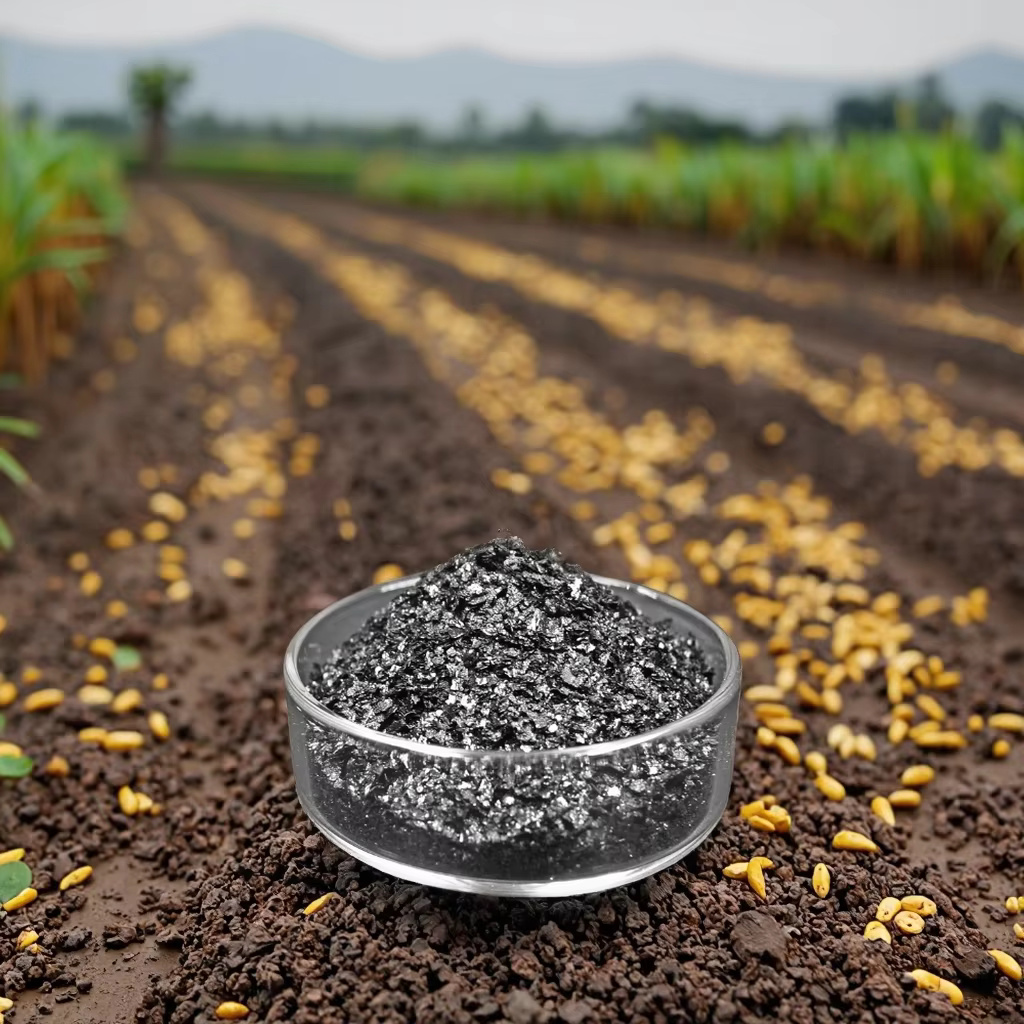
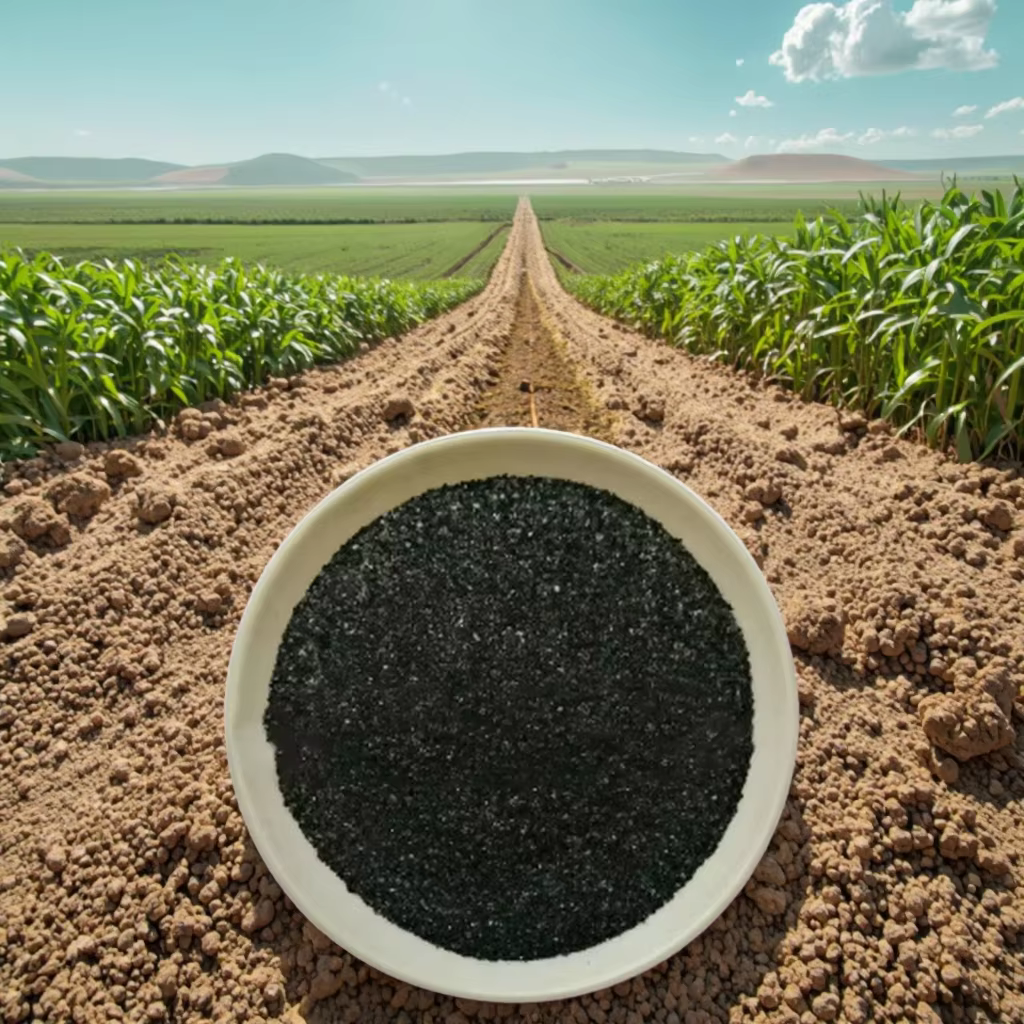
Potassium Fulvic Acid is a highly active organic compound derived from natural sources like leonardite, serving as a powerful bio-stimulant in modern farming. It consists of small molecular weight organic acids that are rapidly absorbed by plant roots and leaves, significantly enhancing nutrient uptake and overall crop resilience.
As a key component in advanced agricultural inputs, it improves soil structure, increases fertilizer efficiency, and stimulates enzymatic activity within plants. For procurement buyers, this translates to higher crop yields, improved produce quality, and reduced dependency on chemical fertilizers, making it an essential tool for sustainable and profitable agriculture.
At BRIDGE BIOCHEM, our production of agricultural additives adheres to strict ISO 9001 standards, ensuring that every batch of Potassium Fulvic Acid meets international quality benchmarks. Our state-of-the-art manufacturing facility in Henan Province utilizes advanced extraction and purification technologies to deliver high-purity products with consistent performance.
We maintain rigorous control over raw material sourcing, processing parameters, and final product testing. This commitment to quality ensures that our Potassium Fulvic Acid provides reliable results in terms of solubility, nutrient content, and stability, giving you peace of mind for your agricultural supply chain.
Selecting the right supplier for Potassium Fulvic Acid requires careful evaluation of several critical factors. First, verify the manufacturer's certifications, such as ISO 9001 or ISO 22000, which indicate a commitment to quality management systems. Look for suppliers who provide detailed technical data sheets specifying fulvic acid content, potassium concentration, and solubility rates.
Second, assess the supplier's production capacity and supply chain reliability. A proven track record of exporting to multiple countries, like BRIDGE BIOCHEM's presence in over 50 nations, suggests robust logistics and consistent availability. Finally, request samples for independent lab testing to confirm purity levels and effectiveness before committing to large orders.
A leading manufacturer with full in-house production capabilities and ISO 9001 certification. Specializes in high-quality organic fertilizers and feed additives, exporting to over 50 countries with strong R&D support and flexible OEM/ODM services.
A diversified supplier offering a wide range of agricultural inputs. Known for competitive pricing and extensive logistics networks, though product consistency may vary depending on the source factory.
Specializes in premium organic compounds with strict EU regulatory compliance. Offers high-purity products suitable for organic certification markets, typically at a higher price point due to European production costs.
Many buyers encounter significant variations in fulvic acid content and purity between batches, leading to unpredictable crop responses and wasted resources.
Choose manufacturers with strict quality control systems like ISO 9001. Request batch-specific lab reports and conduct regular independent testing upon receipt.
Low-quality Potassium Fulvic Acid may not fully dissolve in water, causing clogging in irrigation systems and uneven application across fields.
Specify minimum solubility requirements in your purchase agreement. Test samples thoroughly before bulk orders and select suppliers with standardized processing methods.
Seasonal demand fluctuations and logistical challenges can lead to delayed deliveries, disrupting planting schedules and affecting crop cycles.
Partner with suppliers who have large-scale production capacity and established international logistics partnerships. Maintain safety stock levels and establish clear communication channels.
Some suppliers may exaggerate product specifications, providing inaccurate data on potassium content or organic matter percentages.
Always verify claims through third-party laboratory analysis. Work with reputable manufacturers who provide transparent and verifiable technical documentation.
The recommended dosage varies depending on the crop type, soil conditions, and application method. Generally, foliar sprays use concentrations between 0.1% to 0.3%, while soil applications may require 5-10 kg per hectare. We recommend starting with lower doses and adjusting based on observed plant response. Our technical team can provide customized dosage recommendations based on your specific crops and growing conditions.
Yes, high-quality Potassium Fulvic Acid derived from natural sources like leonardite is generally approved for organic farming. However, it's crucial to verify that your specific product carries the necessary organic certifications for your target market. BRIDGE BIOCHEM's products comply with international organic standards, and we can provide documentation to support your organic certification applications.
Potassium Fulvic Acid should be stored in a cool, dry place away from direct sunlight and moisture. Keep the product in its original sealed packaging until ready for use. Properly stored, the product maintains its efficacy for 12-24 months. Avoid storage in extreme temperatures or humid conditions, as this can affect product stability and solubility.
Yes, Potassium Fulvic Acid is highly compatible with most fertilizers and pesticides. Its chelating properties can actually enhance the absorption of other nutrients when used in combination. However, we recommend conducting compatibility tests before large-scale mixing, especially with products containing calcium or magnesium, to ensure no precipitation occurs. Our technical support team can assist with formulation guidance.
Potassium Fulvic Acid offers multiple benefits including improved nutrient uptake, enhanced root development, increased stress resistance, and better soil structure. It acts as a natural biostimulant that boosts plant metabolism and enzyme activity. Studies show it can increase crop yields by 10-20% while improving product quality and shelf life. It also helps reduce fertilizer usage by increasing nutrient efficiency.
Yes, we provide comprehensive OEM/ODM services including custom formulations tailored to specific crop requirements and regional regulations. Our R&D team works closely with clients to develop specialized blends that optimize performance for their particular applications. We also offer private labeling and customized packaging solutions to meet your brand requirements and market needs.
Privacy statement: Your privacy is very important to Us. Our company promises not to disclose your personal information to any external company with out your explicit permission.
Fill in more information so that we can get in touch with you faster
Privacy statement: Your privacy is very important to Us. Our company promises not to disclose your personal information to any external company with out your explicit permission.