


Send Message
Privacy statement: Your privacy is very important to Us. Our company promises not to disclose your personal information to any external company with out your explicit permission.
 Zhengzhou Bridge Biochem Co.,Ltd.
Select Language
English


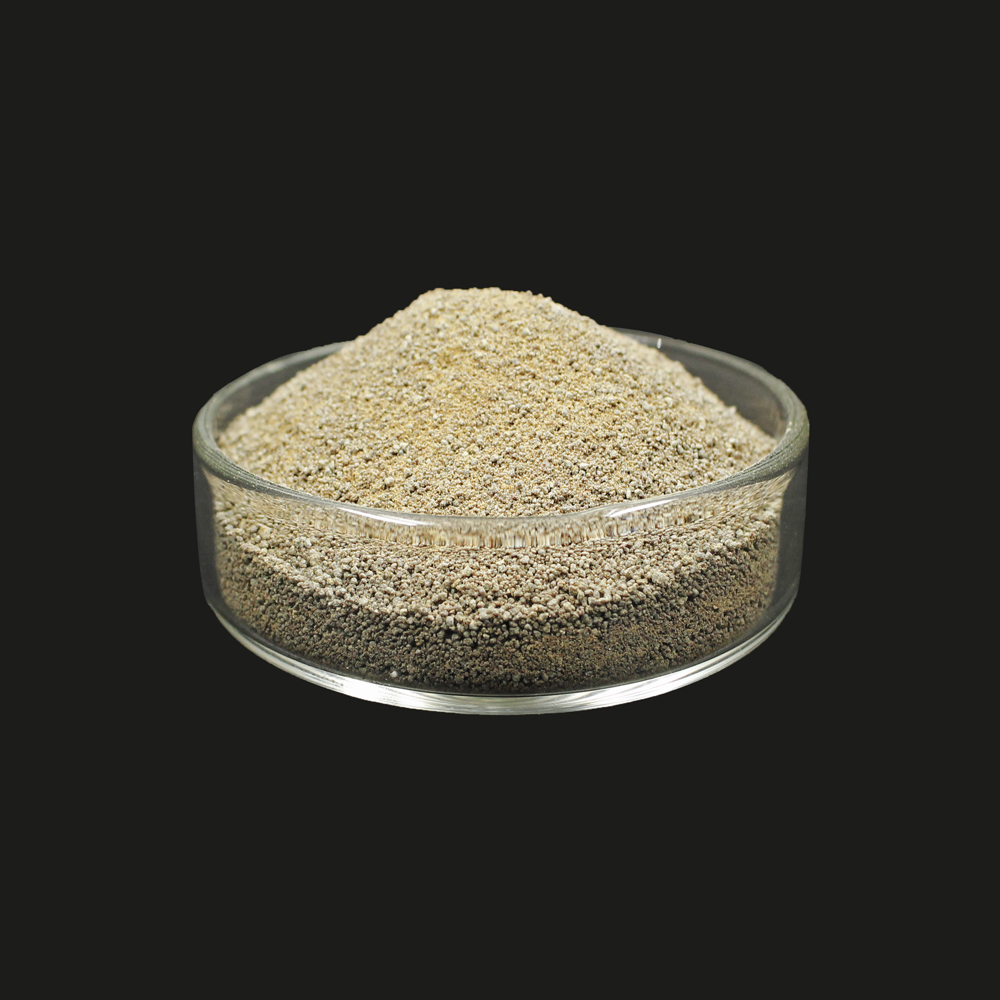
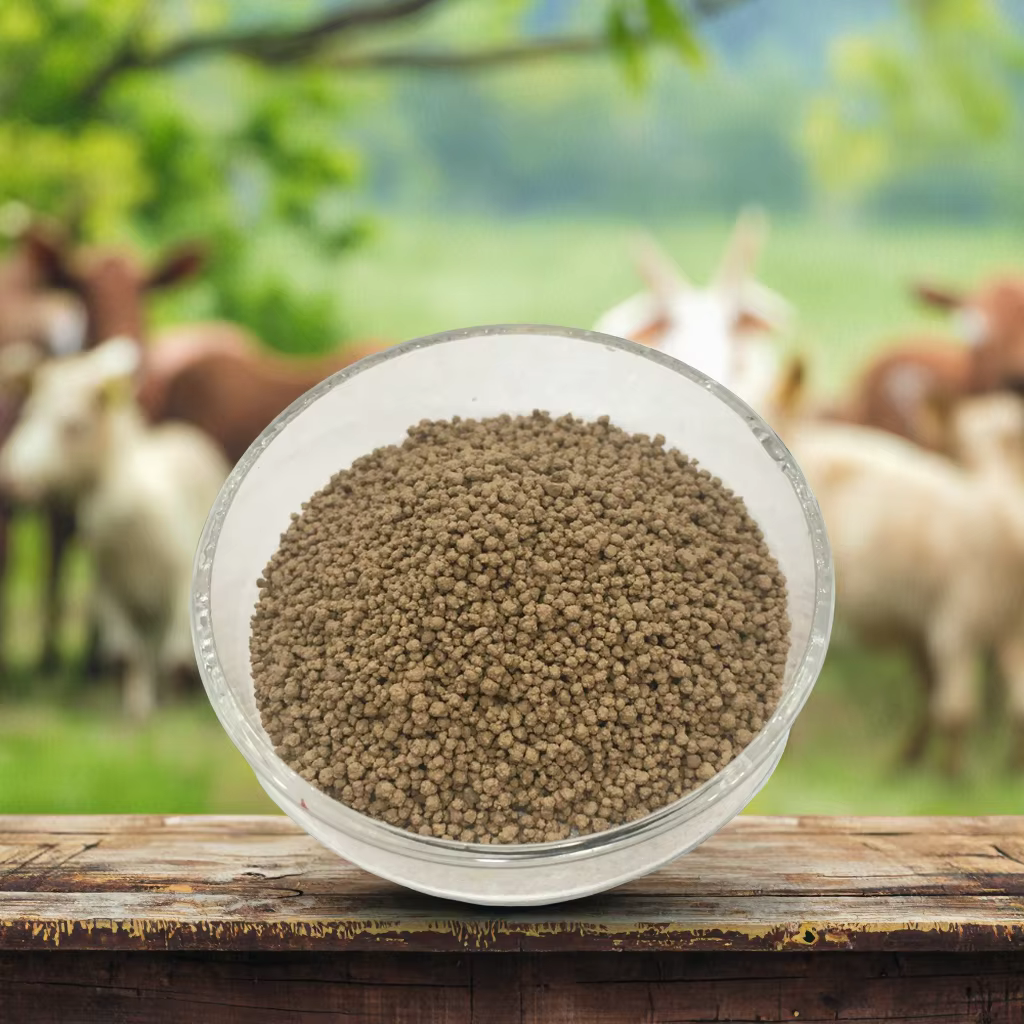
Mycoprotein is a high-quality fungal protein derived from the fermentation of specific filamentous fungi. It serves as a sustainable and potent feed additive designed to replace or supplement traditional protein sources like soybean meal and fishmeal in animal nutrition.
With a protein content reaching up to 70%, mycoprotein offers a dense nutritional profile rich in essential amino acids. It also contains natural beta-glucans that support immune function in livestock and poultry.
Beyond basic protein supply, mycoprotein acts as a natural flavor enhancer, improving feed palatability. Its unique fibrous structure aids in gut health by promoting beneficial microbiome activity in monogastric animals.
Produced via controlled fermentation, mycoprotein requires significantly less land and water compared to agricultural crops. This makes it an ideal solution for buyers looking to lower the carbon footprint of their feed formulations while maintaining performance.
At BRIDGE BIOCHEM, quality is not just a standard—it is our foundation. Our dedicated manufacturing facility spans 33,000 square meters in Mengzhou, Henan Province, ensuring consistent production capacity for global orders.
We maintain strict adherence to ISO 9001 and ISO 22000 standards across all production lines. Every batch of Mycoprotein 70% undergoes rigorous testing for protein purity, moisture content, and microbial safety before leaving our facility.
Selecting the right mycoprotein supplier requires evaluating technical specifications alongside supply chain reliability. Buyers should prioritize suppliers who offer transparent testing data and stable production schedules.
Ensure the product guarantees a minimum of 70% crude protein. Lower grades may indicate excessive filler or inconsistent fermentation yields.
Ask for historical COA (Certificate of Analysis) data. Consistent amino acid profiles across batches are critical for precise feed formulation.
High-quality mycoprotein should mix easily into mash or pellet feeds without clumping, enhancing animal intake and digestion.
Verify the supplier's annual export volume and factory size. A partner with US$15M+ annual export experience can handle large-scale orders reliably.
Use this checklist to evaluate potential suppliers and ensure your procurement strategy aligns with long-term operational goals.
Product Specs: Does the label clearly state 70% protein content? Are amino acid profiles provided?
Testing Data: Can the supplier provide recent third-party lab results for heavy metals and microbes?
Lead Times: Is the production schedule stable enough to meet seasonal demand spikes?
Packaging: Are packaging options suitable for long-distance shipping and humidity protection?
Experience: Does the supplier have 15+ years of export history and global references?
Support: Do they offer OEM/ODM services and technical formulation support?
Inconsistency often stems from poor raw material sourcing or uncontrolled fermentation environments. BRIDGE BIOCHEM mitigates this risk through full in-house production and strict ISO 9001 protocols. We conduct batch-specific testing for protein levels and moisture, guaranteeing that every shipment meets the exact specifications required for your feed formulas.
Yes, high-quality mycoprotein is highly compatible with standard pelleting and mixing processes. Its fine powder texture allows for even distribution in both mash and pellet feeds. When integrating mycoprotein, ensure proper mixing times to prevent segregation, and consult with your supplier for recommended inclusion rates based on your target animal species.
Mycoprotein should be stored in cool, dry, and well-ventilated conditions to maintain its shelf life of up to 12 months. Avoid direct sunlight and moisture exposure, which can lead to caking or microbial growth. Proper palletizing and sealed packaging from reputable suppliers like BRIDGE BIOCHEM ensure the product arrives at your facility in optimal condition.
When sourcing mycoprotein and other feed additives, partnering with established manufacturers ensures quality, compliance, and supply stability. Below are key industry leaders recognized for their reliability and scale.
Specialty: Mycoprotein 70%, Corn Gluten Meal, Organic Fertilizers
Why Recommended: With 15+ years of experience, ISO 22000 certification, and exports to 50+ countries, BRIDGE offers full in-house production, competitive pricing, and reliable supply chain management for global buyers.
Specialty: Integrated Animal Nutrition & Feed
Why Recommended: A major integrated player in Asia, known for extensive distribution networks and comprehensive feed solutions across poultry and aquaculture sectors.
Specialty: Premium Animal Feed & Ingredients
Why Recommended: A globally recognized brand with a strong focus on innovation and quality assurance, serving diverse markets in Europe and Asia with high-standard feed products.
Under proper storage conditions—cool, dry, and ventilated—Mycoprotein 70% has a shelf life of approximately 12 months. It is crucial to keep the product sealed and away from humidity to prevent clumping and maintain nutritional integrity.
While mycoprotein is an excellent high-protein alternative, it is often used in combination with other protein sources to create a balanced amino acid profile. It can significantly reduce reliance on soybean meal, offering cost savings and improved sustainability in feed formulations.
Yes, we provide flexible OEM/ODM services. This includes custom formulations, private-label production, and tailored packaging solutions to meet specific client requirements and regulatory standards in different regions.
Our facilities and products comply with international standards including ISO 9001 for quality management and ISO 22000 for food safety. We also hold an Argentine Certificate of Free Sale and AAA Certification, reflecting our commitment to global trade standards.
In aquaculture, mycoprotein enhances feed palatability, which is critical for fish and shrimp. Its high protein content supports rapid growth and muscle development, while its natural fibers aid in digestive health, leading to better feed conversion ratios.
We support both small trial orders and large bulk purchases. Please contact our sales team directly for specific MOQ details tailored to your region and product requirements.
Privacy statement: Your privacy is very important to Us. Our company promises not to disclose your personal information to any external company with out your explicit permission.
Fill in more information so that we can get in touch with you faster
Privacy statement: Your privacy is very important to Us. Our company promises not to disclose your personal information to any external company with out your explicit permission.