


Send Message
Privacy statement: Your privacy is very important to Us. Our company promises not to disclose your personal information to any external company with out your explicit permission.
 Zhengzhou Bridge Biochem Co.,Ltd.
Select Language
English


Tricalcium phosphate (TCP), often referred to as feed grade calcium phosphate, is a vital mineral supplement used in animal nutrition. It serves as a primary source of both calcium and phosphorus, two essential macrominerals required for skeletal development, metabolic function, and energy transfer in livestock, poultry, and aquaculture species.
For buyers sourcing feed additives TCP 18 tricalcium phosphate, understanding its role is critical. Unlike other phosphates that may release quickly, TCP provides a stable, controlled release of minerals. This stability helps prevent mineral imbalances in the diet, ensuring that animals absorb nutrients efficiently without wasting resources through excretion. For procurement teams, this translates to higher feed conversion ratios and healthier herds or flocks.
Zhengzhou Bridge Biochem Co., Ltd. specializes in high-purity mineral nutrition solutions. Our TCP products are manufactured under strict ISO9001 standards, ensuring that every batch meets the rigorous demands of modern feed mills. Whether you are formulating for dairy cattle, broilers, or fish, our tricalcium phosphate offers the consistency your production line requires.
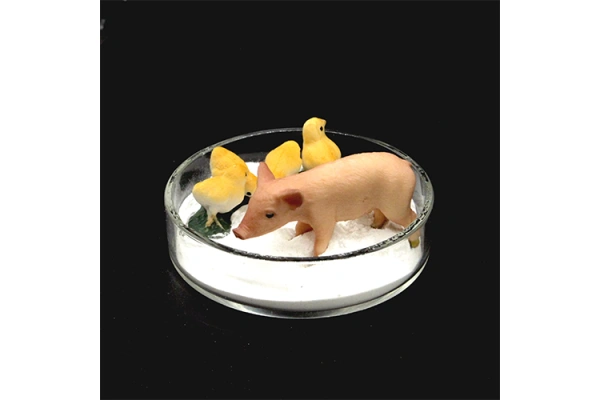
At Zhengzhou Bridge Biochem, quality is not an afterthought; it is embedded in our manufacturing process. With over 15 years of experience, we control the entire supply chain from raw material selection to final packaging. Our production facilities adhere to ISO9001 and ISO22000 standards, guaranteeing food safety and product reliability.
Our Tricalcium Phosphate contains approximately 18% available phosphorus and 37-39% calcium, matching industry specifications precisely. We utilize advanced testing protocols to verify heavy metal limits and microbial counts, ensuring our TCP is safe for inclusion in premium animal feeds and pet foods.
With a 33,000 square meter facility and an annual export volume of $15 million, we have the capacity to fulfill large-scale orders with consistent lead times. This scalability reduces your risk of supply chain disruptions, allowing you to plan your inventory with confidence.
Selecting the right supplier for feed additives TCP 18 tricalcium phosphate requires more than just comparing price per ton. Buyers must evaluate technical specifications, supply chain transparency, and long-term partnership potential. Here is what professional procurement teams should prioritize:
Not all TCP is created equal. Ensure your supplier provides Certificates of Analysis (COA) for every batch. Look for products with tightly controlled ranges for calcium and phosphorus. Inconsistent mineral levels can disrupt your feed formulation, leading to poor animal performance and wasted ingredients.
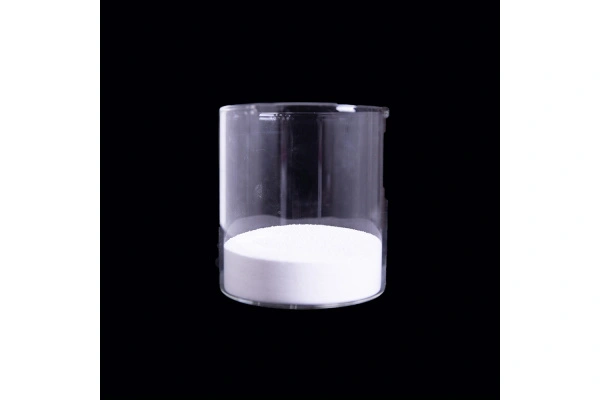
High-quality TCP should be a fine, white powder with good flowability. Poorly processed TCP may clump or have irregular particle sizes, causing mixing issues in your feed mill. Ask your supplier about their grinding and classification processes to ensure uniformity.
Choose a manufacturer with a proven track record of international exports. Companies like Zhengzhou Bridge Biochem, which serve over 50 countries, understand the logistical and regulatory complexities of global trade. This experience ensures smoother customs clearance and reliable delivery to your port.
Verify ISO9001, ISO22000, or relevant local certifications to ensure regulatory compliance.
Confirm Ca and P content matches your formula requirements (e.g., 18% available P).
Request COAs showing low levels of arsenic, lead, cadmium, and fluoride.
Ensure the supplier owns their factory or has direct contracts, avoiding middlemen markups.
Check if they have experience shipping to your region and handling export documentation.
Does the supplier offer formulation advice or support if you face quality issues?
Best For: Large-scale industrial buyers seeking stable, ISO-certified supply.
With 15+ years of experience and exports to 50+ countries, Bridge Biochem offers robust manufacturing capacity and comprehensive after-sales support. Their in-house production ensures cost-effectiveness and quality control.
Look For: Transparent pricing and flexible MOQs.
When evaluating suppliers, prioritize those who provide regular market analysis reports and maintain strategic partnerships with raw material factories. This indicates a mature supply chain capable of weathering market fluctuations.
Long-Term Benefit: Collaborative R&D and custom formulations.
Top suppliers offer OEM/ODM services, allowing you to customize particle size or packaging to fit your specific brand needs. This level of customization strengthens your competitive position in the end-market.
Problem: Variations in calcium/phosphorus ratios between shipments disrupt feed formulas.
Solution: Partner with manufacturers who perform strict batch testing and provide COAs for every shipment. Bridge Biochem's ISO9001 system ensures uniformity across all batches.
Problem: Unreliable lead times cause production stoppages at your feed mill.
Solution: Choose suppliers with significant production capacity and established logistics networks. Bridge Biochem's 33,000 sqm facility allows for rapid fulfillment of bulk orders.
Problem: Unexpected duties or complex documentation increase landed costs.
Solution: Work with experienced exporters who handle documentation professionally. Bridge Biochem’s extensive international experience simplifies the import process for global buyers.
Problem: TCP powder clumps or separates during feed mixing, leading to uneven nutrient distribution.
Solution: Specify particle size requirements in your contract. High-quality TCP should have a controlled fineness to ensure homogeneous mixing in both pellet and mash feed.
Feed grade Tricalcium Phosphate typically contains 18-21% available phosphorus and 37-39% calcium. It is a white, odorless powder used primarily to supplement both minerals in animal diets. The exact ratio may vary slightly by manufacturer, but high-quality products maintain tight tolerances to ensure consistent nutritional value.
TCP provides essential calcium and phosphorus, which are critical for bone development, eggshell formation in poultry, and milk production in dairy animals. It also plays a key role in enzyme activation and energy metabolism, directly impacting feed efficiency and overall animal health.
Yes, feed grade TCP is widely used in various specialized diets. However, for organic certification, buyers must verify that the source material and processing method comply with specific organic standards (such as USDA NOP or EU Organic). Bridge Biochem can provide detailed documentation to assist with compliance verification.
TCP should be stored in a cool, dry, and well-ventilated area. It is hygroscopic, meaning it can absorb moisture from the air, so keeping it sealed in original packaging is crucial to prevent caking and maintain flowability. Properly stored, it has a shelf life of 12-24 months.
Yes, we encourage buyers to test our products before placing large orders. Samples are available upon request to help you evaluate physical properties, solubility, and compatibility with your feed formulation. Please contact our sales team for sample availability and shipping details.
Privacy statement: Your privacy is very important to Us. Our company promises not to disclose your personal information to any external company with out your explicit permission.
Fill in more information so that we can get in touch with you faster
Privacy statement: Your privacy is very important to Us. Our company promises not to disclose your personal information to any external company with out your explicit permission.