


Send Message
Privacy statement: Your privacy is very important to Us. Our company promises not to disclose your personal information to any external company with out your explicit permission.
 Zhengzhou Bridge Biochem Co.,Ltd.
Select Language
English


**Chicken meal 65%** is a premium rendered poultry product that serves as a highly concentrated source of animal protein for livestock, poultry, and aquaculture feed formulations. Produced through carefully controlled rendering processes, this ingredient delivers exceptional nutritional value with high digestibility, making it a cornerstone for manufacturers seeking to optimize growth performance in their animals.
As a critical component in compound feed production, chicken meal provides essential amino acids including lysine and methionine that support muscle development and overall health. The 65% protein content ensures efficient nutrient delivery while minimizing filler materials, allowing feed formulators to create cost-effective yet nutritionally complete diets.
At ZHENGZHOU BRIDGE BIOCHEM CO., LTD., we understand that consistent quality in protein ingredients directly impacts your bottom line. Our chicken meal products undergo rigorous processing to maintain uniform composition batch after batch, reducing quality control risks and ensuring predictable performance in your feed operations.
65% crude protein delivers maximum nutritional density per unit weight, reducing transportation costs and storage requirements.
Standardized rendering processes ensure stable amino acid profiles across all shipments, eliminating production variability.
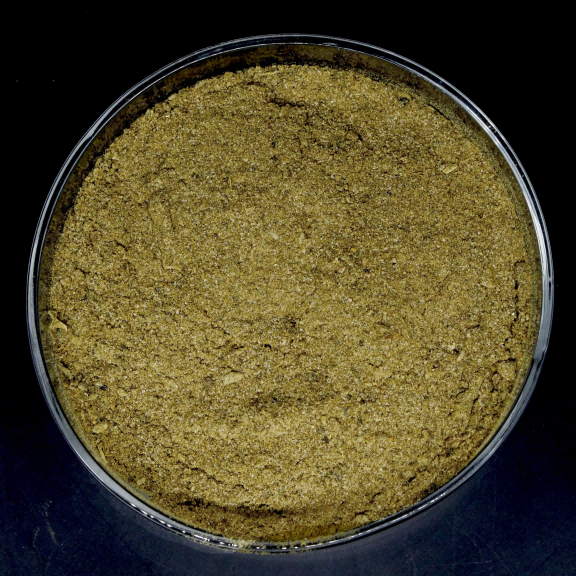
Our commitment to **premium chicken meal manufacturing** begins with strict raw material selection and continues through every stage of processing. Each batch undergoes comprehensive laboratory testing to verify protein content, moisture levels, and microbial standards before release.
We operate under ISO9001-certified quality management systems, ensuring that our chicken meal meets international standards for safety and consistency. Our dedicated quality control team monitors temperature, time, and drying parameters during rendering to preserve nutritional integrity while eliminating pathogens.
For procurement managers responsible for supply chain reliability, our quality assurance protocols mean fewer rejected shipments, reduced testing costs at your facility, and confidence that your feed formulations will perform as expected. This level of quality control is particularly valuable when producing specialized feeds for high-value aquaculture or companion animal applications.
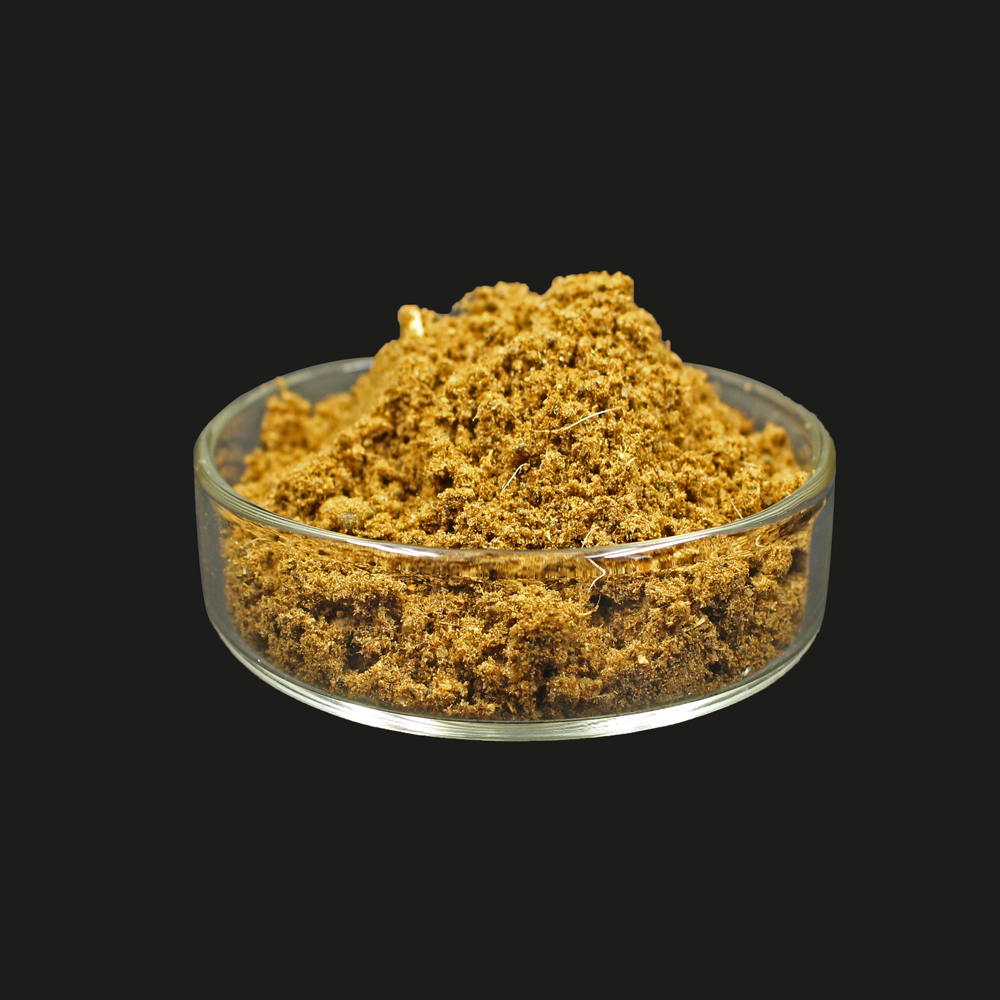
Selecting the right **chicken meal supplier** requires evaluating multiple factors beyond price alone. Consider the supplier's production capacity, quality certification status, export experience, and ability to provide consistent product specifications over time.
Look for suppliers who offer transparent sourcing information, regular third-party testing reports, and flexible packaging options that match your operational needs. A reliable partner should also provide technical support for formulation optimization and demonstrate understanding of regional regulatory requirements.
With over 15 years of experience exporting to more than 50 countries, ZHENGZHOU BRIDGE BIOCHEM CO., LTD. has refined our processes to meet diverse international standards. Our experienced team provides market analysis reports and technical guidance to help you make informed procurement decisions that support your competitive positioning.
Confirm crude protein percentage matches specifications (typically 60-65% for poultry meals). Request recent lab test results for each shipment.
Acceptable moisture should be below 10%, with ash content indicating mineral composition. High moisture increases spoilage risk.
Verify salmonella absence, coliform limits, and total plate counts meet your facility's incoming quality requirements.
Assess supplier's production capacity, inventory management, and historical on-time delivery rates for large orders.
Ensure supplier holds relevant certifications (ISO9001, HACCP, GMP) and can provide documentation for your market regulations.
Evaluate whether the supplier offers formulation assistance, application guidance, and responsive communication channels.
Choose suppliers who control their own manufacturing facilities rather than trading companies, ensuring direct oversight of quality parameters and processing conditions.
Prioritize suppliers with proven track records in your region, familiar with shipping requirements, customs documentation, and local regulatory frameworks.
Select partners capable of accommodating both trial orders and large-scale purchases without compromising service quality or pricing structure.
Benefit from suppliers investing in product development who can offer customized specifications, alternative protein sources, and innovative solutions.
Establish relationships with suppliers providing proactive updates on production schedules, quality reports, and market intelligence relevant to your business.
Ensure your supplier has clear policies for handling quality disputes, providing replacement products, and offering technical troubleshooting when needed.
Chicken meal serves as a primary protein source in starter, grower, and finisher rations, supporting rapid muscle development in broilers and sustained egg production in layers. Its amino acid profile closely matches poultry nutritional requirements.
While fish meal remains popular, chicken meal offers a cost-effective alternative in marine and freshwater species diets. Its palatability enhances feed intake in early life stages of shrimp and tilapia production.
Used in nursery and finishing swine diets where high-quality protein supports lean tissue deposition. Also incorporated into dairy cattle rations to improve milk protein synthesis and overall herd performance.
Premium chicken meal appears in dry and wet pet food formulations as a concentrated protein source. Its low moisture content and long shelf life make it ideal for commercial pet food manufacturing processes.
Variable protein levels disrupt feed formulation accuracy, leading to inconsistent animal performance. This problem often stems from suppliers using mixed raw materials or inadequate quality control during processing. Solution: Work with suppliers who conduct batch-by-batch testing and guarantee minimum protein specifications with compensation clauses for non-conformance.
Excessive moisture above 10% creates conditions for mold growth and bacterial proliferation during storage. This issue typically results from insufficient drying during rendering or improper storage conditions. Solution: Specify maximum moisture content in purchase agreements and request pre-shipment moisture analysis certificates.
Oxidized fats produce rancid odors and reduce nutritional value, potentially causing feed refusal by animals. Oxidation accelerates in warm, humid environments or when antioxidant protection is inadequate. Solution: Ensure proper packaging with moisture barriers, specify peroxide value limits, and order quantities matching your consumption rate to minimize storage time.
Presence of bones, feathers, or other contaminants indicates poor processing standards and can damage feed milling equipment. Contamination often occurs when raw material sorting is inadequate or screening processes are bypassed. Solution: Require suppliers to implement metal detection and sieving procedures, and specify maximum bone and feather percentages in contracts.
Supply interruptions force feed mills to adjust formulations abruptly or halt production lines entirely. Delays commonly result from poor inventory management, logistics failures, or inadequate production planning. Solution: Establish partnerships with suppliers demonstrating reliable delivery records, maintain safety stock levels, and develop alternative sourcing strategies.
Chicken meal labeled as 65% contains approximately 65% crude protein on an as-fed basis, though actual values may range from 62-68% depending on raw materials and processing methods. Reputable suppliers guarantee minimum protein content and provide laboratory analysis certificates with each shipment to confirm specifications are met.
Store chicken meal in cool, dry conditions with humidity below 70% to prevent moisture absorption and microbial growth. Keep bags elevated off floors using pallets, maintain ventilation around storage areas, and practice first-in-first-out inventory rotation. Properly stored chicken meal maintains quality for 6-12 months from production date.
Chicken meal can partially replace fish meal in many aquaculture species at inclusion levels of 15-30% without negatively affecting growth performance. While chicken meal lacks certain fatty acids found in fish oil, modern feed formulations compensate through supplemental lipid sources. Research shows excellent substitution rates in tilapia, catfish, and shrimp diets.
Standard packaging includes 25kg or 50kg multi-wall paper bags with PE liners, jumbo bags ranging from 500-1000kg for container loads, and bulk shipping in vessel holds for very large orders. Custom packaging sizes and branding are available for OEM customers requiring specific labeling or bag dimensions.
Essential certifications include ISO9001 for quality management, HACCP for food safety, and GMP for good manufacturing practices. Depending on your destination country, you may also require veterinary health certificates, phytosanitary documentation, and specific import permits. Our team assists with all required documentation for international shipments.
Chicken meal offers higher protein concentration (60-65%) compared to meat and bone meal (50-55%) and superior amino acid balance relative to most plant proteins. It provides better digestibility than feather meal and contains beneficial nutrients like calcium and phosphorus from rendered bone content, making it a versatile protein source.
Privacy statement: Your privacy is very important to Us. Our company promises not to disclose your personal information to any external company with out your explicit permission.
Fill in more information so that we can get in touch with you faster
Privacy statement: Your privacy is very important to Us. Our company promises not to disclose your personal information to any external company with out your explicit permission.