


Send Message
Privacy statement: Your privacy is very important to Us. Our company promises not to disclose your personal information to any external company with out your explicit permission.
 Zhengzhou Bridge Biochem Co.,Ltd.
Select Language
English


Bacillus subtilis for agriculture is a naturally occurring, spore-forming soil bacterium used as a biological fungicide and plant growth promoter. It works by colonizing the root zone, outcompeting harmful pathogens, and stimulating the plant's natural immune system.
For professional growers and agricultural distributors, this probiotic offers a sustainable alternative to chemical pesticides. It improves nutrient uptake, enhances seed germination rates, and contributes to long-term soil health without leaving toxic residues. By integrating Bacillus subtilis biocontrol solutions, you can reduce crop loss, lower input costs, and meet increasingly strict organic certification standards.
Unlike synthetic chemicals that may lose efficacy over time due to pathogen resistance, Bacillus subtilis adapts to the environment. Its spores remain dormant until conditions are favorable, ensuring long-lasting protection in the field. This makes it an essential tool for modern, sustainable farming operations looking to improve yield quality while protecting the ecosystem.
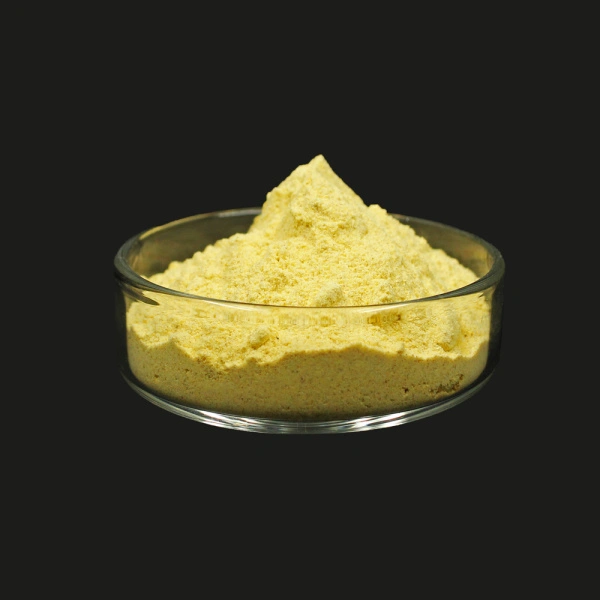
At Zhengzhou Bridge Biochem Co., Ltd., we understand that consistency is critical for agricultural suppliers. Our production facilities adhere to strict ISO 9001 and ISO 22000 standards, ensuring every batch of bio-agricultural inputs meets global safety and quality benchmarks.
Our 33,000 sqm factory in Henan Province utilizes advanced fermentation technology to produce high-potency microbial strains. We maintain full traceability from raw material sourcing to final packaging, guaranteeing product integrity throughout the supply chain.
Every shipment undergoes laboratory testing for viability counts, purity, and contaminant screening. This ensures that our agricultural products deliver reliable performance in diverse field conditions, reducing your risk of crop failure or inconsistent results.
Why this matters to you: Sourcing from a certified manufacturer like BRIDGE BIOCHEM means you receive products with guaranteed shelf-life stability and documented compliance. This simplifies your import procedures and reduces the need for additional third-party verification, saving both time and money.
Selecting a partner for agricultural biologicals requires more than just comparing price per ton. You need a supplier who understands the science behind microbial efficacy and the logistics of global distribution. Here is how professional buyers evaluate their supply chain partners.
Look for suppliers with ISO 9001, ISO 22000, or specific agricultural registration numbers. These certifications indicate that the manufacturer has validated processes for quality management and food/feed safety, which is crucial for maintaining your own brand reputation.
The best suppliers invest in continuous research. A company that regularly updates formulations and offers technical support demonstrates a commitment to staying ahead of industry trends. This partnership value helps you access innovative solutions before your competitors do.
With over 15 years of export experience and presence in 50+ countries, proven international capability is key. An experienced exporter handles customs documentation, cold-chain logistics (if required), and regulatory compliance seamlessly, preventing costly delays at your port.
Before finalizing a procurement order for Bacillus subtilis agricultural products, use this checklist to ensure you are making a secure and profitable investment. This guide helps mitigate common risks associated with bulk biological imports.
The versatility of Bacillus subtilis agricultural applications spans across multiple sectors of the global food supply chain. From large-scale field crops to precision hydroponics, these microbial solutions address specific challenges in each environment.
Used as a biofungicide to prevent diseases like powdery mildew and root rot. It creates a protective barrier around roots, reducing the need for chemical interventions and helping farmers achieve organic certification status.
Enhances soil microbiology by breaking down organic matter and fixing nutrients. This improves soil structure, water retention, and long-term fertility, which is essential for sustainable land management practices.
In controlled environments, Bacillus subtilis helps manage waterborne pathogens. Its rapid solubility and consistent activity make it ideal for drip irrigation systems, ensuring uniform coverage and disease prevention.
When evaluating potential partners for Bacillus subtilis wholesale supply, look for a company that combines manufacturing scale with scientific expertise. Based on industry standards, here is the profile of an ideal supplier.
Zhengzhou Bridge Biochem Co., Ltd. exemplifies this profile. With over 15 years of experience, a 33,000 sqm facility, and exports to 50+ countries, they offer end-to-end reliability.
Ideal suppliers provide more than just product; they offer technical guidance on dosage, application timing, and compatibility with other inputs. This collaborative approach helps you optimize your formulations and maximize crop yields.
Common questions from procurement buyers regarding Bacillus subtilis for agriculture and biological fertilizer sourcing.
Typically, properly stored bacterial products have a shelf life of 12-24 months. Factors such as temperature, humidity, and packaging integrity significantly impact longevity. Reputable suppliers guarantee minimum viability counts (e.g., 10^8 CFU/g) throughout this period.
Yes, in most cases. Bacillus subtilis is compatible with many standard NPK fertilizers. However, it should generally not be mixed with strong fungicides or highly acidic/alkaline substances immediately before application, as these can kill the beneficial bacteria. Always consult the supplier for specific mixing guidelines.
It promotes growth by producing enzymes and hormones that stimulate root development. Additionally, by suppressing soil-borne pathogens and improving nutrient availability (like nitrogen and phosphorus), plants can absorb resources more efficiently, leading to healthier crops and higher yields.
Yes, Bacillus subtilis is widely approved for use in organic farming systems globally, including under USDA NOP and EU Organic regulations. It is a naturally occurring organism and leaves no harmful residues, making it a cornerstone of integrated pest management (IPM) strategies.
Most manufacturers offer flexible MOQs to accommodate different buyer sizes, ranging from trial batches to full container loads. Lead times typically depend on production schedules but usually range from 15 to 30 days after order confirmation. Established suppliers like BRIDGE BIOCHEM often maintain stock for faster turnaround.
Privacy statement: Your privacy is very important to Us. Our company promises not to disclose your personal information to any external company with out your explicit permission.
Fill in more information so that we can get in touch with you faster
Privacy statement: Your privacy is very important to Us. Our company promises not to disclose your personal information to any external company with out your explicit permission.